
Climbing for Beginners: Complete Guide to Mountaineering in Mexico | Yacana
Climbing for Beginners: Which Mexico Mountain Should You Climb?
[Mexico City is surrounded by some incredible mountains. Actually, not mountains—volcanoes. And one of them is still active.
The best part? You can climb them all (except Popocatépetl, the active one—that's pretty dangerous). And they go from beginner-friendly day hikes to serious technical climbs that'll test everything you've got.
I know them pretty well. I'm Ricardo Guaderrama, a certified mountain guide. Yacana's team has led over 100 ascents on these peaks, and I've taken complete beginners—people who'd never hiked above 10,000 feet—to 17,000+ foot summits.
Here's what most people don't know: you don't need months of training or multiple trips to climb a Mexican volcano. You can do it on a single 1-2 week vacation.
This guide will show you exactly which mountain to pick based on your experience level and how much time you have.
Not sure which to start with? Talk to a guide
The Five Mountains (Easy to Hard)
Here's the honest breakdown of each mountain. I'll tell you what it's really like, not the Instagram version.

Ajusco (12,894 ft / 3,930m) The Beginner's Mountain
Duration: 1 day (6-8 hours)
Difficulty: ★☆☆☆☆
Cost: $185-325 USD
Best for: Never climbed before? Start here.
Ajusco is Mexico City's backyard volcano. It's 1 hour from the city, you summit above 12,800 feet, and you're back home for dinner.
No crampons, no technical skills, no camping. Just you, the trail, and some seriously thin air.
Why this mountain?
Tests how your body handles altitude without committing to a multi-day trip
If you struggle here, you're not ready for the big peaks
If you crush it, you know you can go higher
Typical day:
6:00 AM: Pick up from Mexico City
8:00 AM: Start hiking (starts at 10,170 ft)
11:00 am: Summit (12,894 ft)
5:00 PM: Back in the city
Real talk: This mountain looks easy on paper. The altitude makes it harder than you think. That's the point.

La Malinche (14,636 ft / 4,461m) - The Perfect First Big Mountain
Duration: 1-2 days
Difficulty: ★★☆☆☆
Cost: $275-485 USD
Best for: Some hiking experience, want your first 14,000+ footer
La Malinche is where you learn what real altitude feels like. At 14,636 feet, you're higher than any peak in the continental US outside of California.
The climb itself isn't technical—it's a hike, not a climb. But the altitude? That's the test.
Why this mountain?
Well-marked trail, hard to get lost
Can be done in 1 long day or camp overnight
Teaches you how your body reacts to serious altitude
Perfect warmup if you want to do Iztaccíhuatl or Pico later
Real talk: If you've done 10+ mile hikes with elevation gain, you can do La Malinche. The lungs are the hard part, not the legs.
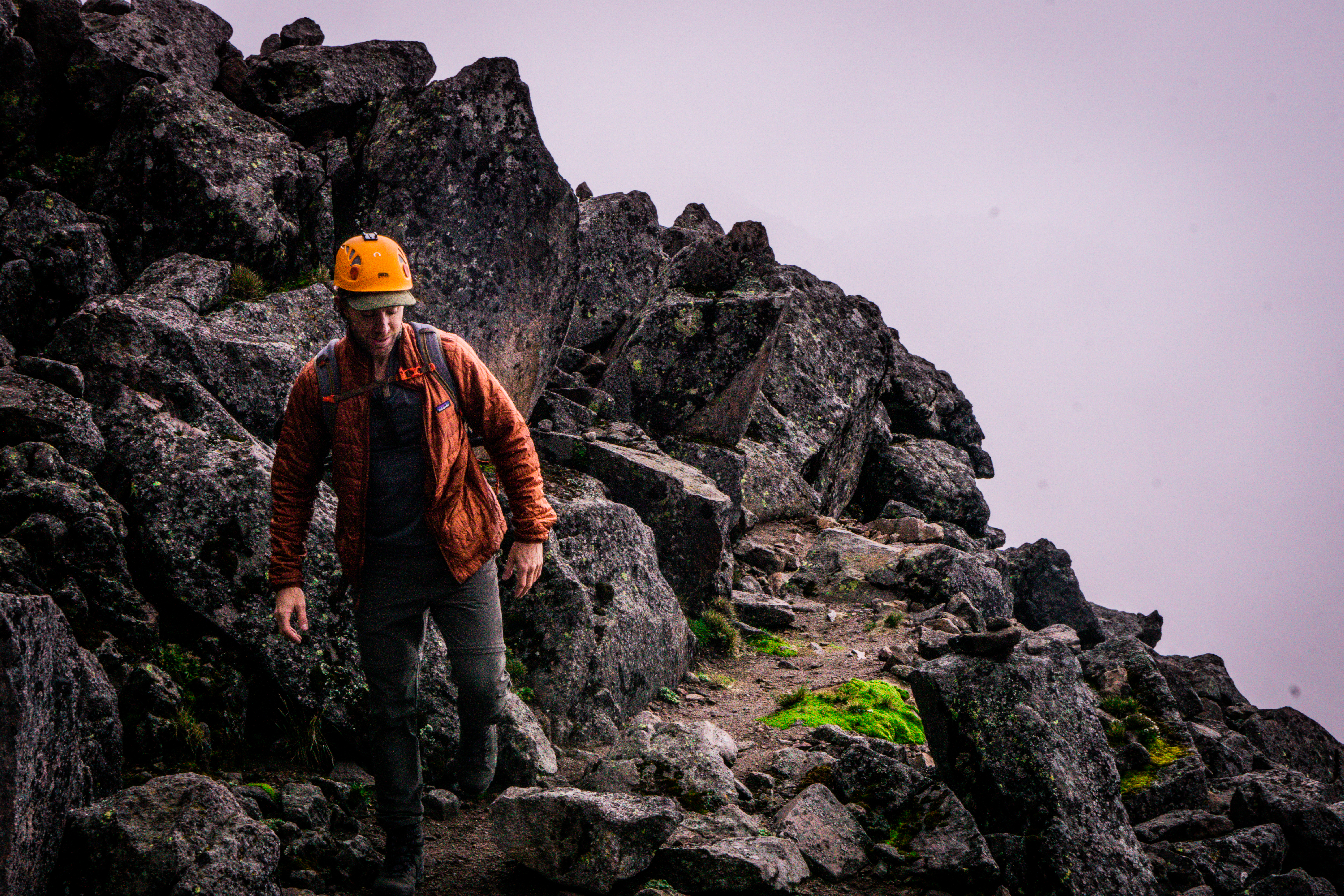
Nevado de Toluca (15,354 ft / 4,680m) - The Altitude Test
H3] 3. Nevado de Toluca (15,354 ft / 4,680m) - The Altitude Test
Duration: 1 day
Difficulty: ★★☆☆☆
Cost: $275-485 USD
Best for: Want to see if you can handle 15,000+ feet before committing to a technical climb
Nevado de Toluca has two crater lakes at the top—Laguna del Sol and Laguna de la Luna. They're beautiful. You'll be too exhausted to care.
You start hiking from 13,000+ feet. The air is thin from step one. Every breath is work.
Why this mountain?
Shows you what 15,000+ feet feels like
Stunning views (when you can catch your breath)
Good acclimatization climb if you're planning Iztaccíhuatl or Pico
Can be done as a day trip from Mexico City
Real talk: You'll question why you're doing this around 14,500 feet. Then you summit and remember.
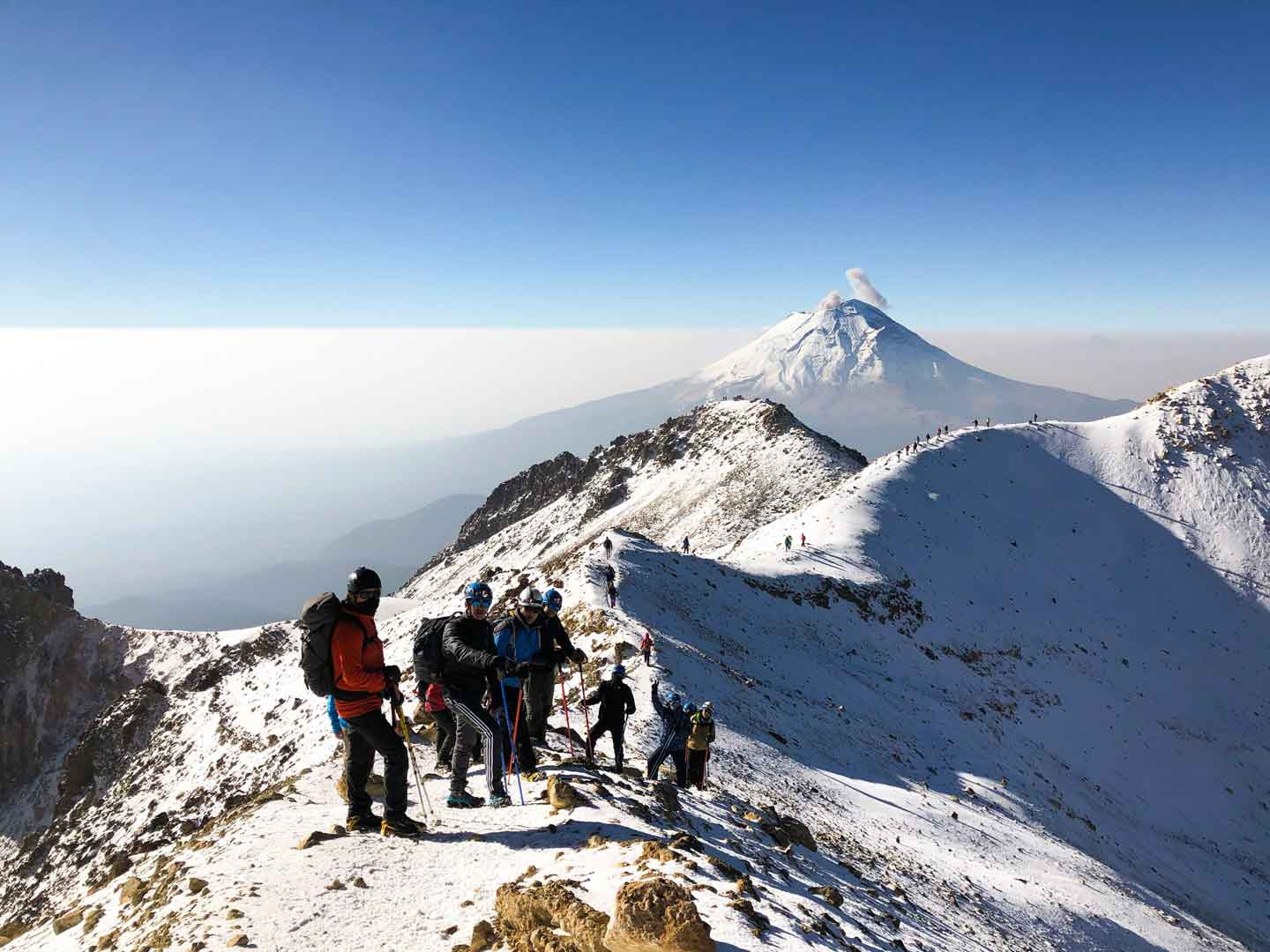
Iztaccíhuatl (17,160 ft / 5,230m) - Where Hiking Ends and Mountaineering Begins
Duration: 2 days
Difficulty: ★★★★☆
Cost: $365-600 USD
Best for: Experienced hikers ready for technical terrain
Iztaccíhuatl—the "Sleeping Woman"—is where this stops being a hike and becomes a climb.
You'll use crampons. You'll use an ice axe. You'll wake up at midnight to start the summit push. You'll scramble on rocky ridges with big exposure.
And at hour 6 of the summit day, when you're at 16,500 feet and every step feels impossible, you'll learn what you're actually made of.
Why this mountain?
Real mountaineering—crampons, glacier travel, rope work
Tests fitness, mental toughness, and altitude tolerance all at once
If you summit Izta, you can summit almost anything
Incredible views of Popocatépetl volcano
What you need:
Good cardiovascular fitness (can hike 8+ hours)
Mental toughness (midnight starts, exhaustion, thin air)
No fear of heights (exposed ridges)
2-3 days in Mexico before the climb (acclimatization)
Real talk: About 70-80% of climbers summit. Altitude is the main reason people turn back. Come prepared.

Pico de Orizaba (18,491 ft / 5,636m) - Mexico's Highest
Duration: 2-3 days
Difficulty: ★★★★★
Cost: $440-950 USD
Best for: Serious mountaineers only
Pico de Orizaba is 18,491 feet. That's the third-highest peak in North America. The air at the summit has 50% of the oxygen at sea level.
The final push from the refuge is 4,600 vertical feet. You'll spend 2,087 feet of that on pure glacier ice. The weather can turn in minutes. Only 60-70% of climbers summit.
This is not a casual climb.
Why this mountain?
It's Mexico's highest point
Serious glacier climbing experience
Views of the Gulf of Mexico from the summit
Bragging rights (you climbed the 3rd highest peak in North America)
What you need:
Previous high-altitude experience (ideally you've summited Iztaccíhuatl)
Advanced crampon and ice axe skills
Excellent fitness
5-7 days in Mexico for acclimatization (do a warmup climb first)
Mental toughness to push through when it gets brutal
Real talk: Don't attempt this as your first Mexican volcano. Build up to it. The altitude will destroy you if you're not ready.
Sample Itineraries Based on Your Time
I Have 5-7 Days in Mexico
Beginner (never climbed before):
Day 1-3: Arrive Mexico City, explore, acclimatize (you're at 7,350 ft just being there)
Day 4: Ajusco day climb
Day 5: Rest, explore Mexico City
Day 6-7: Fly home
Intermediate (some hiking experience):
Day 1-3: Arrive, acclimatize in Mexico City
Day 4-5: La Malinche (overnight camp)
Day 6: Rest
Day 7: Fly home
I Have 10-14 Days in Mexico
Best strategy: Do two mountains
Day 1-3: Arrive, acclimatize
Day 4: Ajusco or Nevado de Toluca (acclimatization climb)
Day 5-6: Rest in Mexico City
Day 7-8: Iztaccíhuatl (2-day climb)
Day 9-10: Rest
Day 11: Explore, fly home
OR
Day 1-5: Arrive, acclimatize, do La Malinche
Day 6-7: Rest
Day 8-10: Pico de Orizaba (3-day expedition)
Day 11-12: Rest, fly home
Pro tip: Your body needs rest between big climbs. Don't try to cram 3 peaks into 10 days. Quality over quantity.
Can I Really Do This? I've Never Climbed Before
Yes. Here's what you actually need:
Fitness Requirements
For Ajusco, La Malinche, Nevado de Toluca:
Can hike 6-8 hours
Can carry 20-30 lb backpack
No major heart or lung issues
For Iztaccíhuatl, Pico de Orizaba:
Can hike 8-10 hours with elevation gain
Strong cardiovascular endurance (think: can run 5-10K without stopping)
Previous high-altitude experience helps but isn't required
You don't need to be a gym rat. But you do need base fitness. The altitude makes everything harder.
Training (If You Have 6-8 Weeks)
Best training:
Weighted pack hikes 2x per week (start 15 lbs, build to 30 lbs)
Cardio 3x per week (running, cycling, stairs)
Leg strength 2x per week (squats, lunges, step-ups)
If you don't have time to train? Start with an easier peak (Ajusco or La Malinche) and see how you do.
Altitude Sickness (The Real Enemy)
Altitude sickness is real. It's common. And it doesn't care how fit you are.
Symptoms:
Headache
Nausea
Dizziness
Extreme fatigue
Loss of appetite
How to prevent it:
Arrive in Mexico City 3-5 days early (you're already acclimatizing at 7,350 ft)
Drink 3-4 liters of water per day
Go slow (50% of your normal hiking pace)
If you feel terrible, descend
We monitor you constantly. If you show serious symptoms, we descend immediately. No exceptions.
What It Actually Costs
Climb costs (guided, all-inclusive):
Ajusco: $185-325 USD (1 day)
La Malinche: $275-485 USD (1-2 days)
Nevado de Toluca: $275-485 USD (1 day)
Iztaccíhuatl: $365-600 USD (2 days)
Pico de Orizaba: $440-950 USD (2-3 days)
(Price depends on group size - bigger groups pay less per person)
What's included:
English-speaking certified guide
All meals during the climb
Round-trip transport from Mexico City
Technical gear (crampons, helmet, ice axe, ropes)
Camping equipment (tents, sleeping bags, pads)
Emergency GPS tracking
Park fees
What you need to bring:
Hiking boots (waterproof, broken in)
Warm layers (NO cotton - synthetic or wool only)
Gloves, hat, sunglasses
Backpack (35-50L)
Your personal items
Gear you don't have? We can arrange rentals ($30-50 per item).
Total budget for a 1-week climbing trip:
Flights to Mexico City: $300-800 USD
Climb: $185-600 USD
Accommodation (3-5 nights): $150-300 USD
Meals outside climb: $100-150 USD
Total: ~$750-1,850 USD
Compare that to Alps ($5,000+), Kilimanjaro ($3,000+), or Everest Base Camp ($4,000+).
Mexico is the best value in mountaineering.
What Our Climbers Say
Frequently Asked Questions
Q: I'm flying from sea level. Will I be okay?
A: Yes. Most of our clients come from sea level. Arrive 3-5 days early in Mexico City (you're already at 7,350 ft). Start with an easier peak. Your body will adapt.
Q: Do I need technical climbing experience?
A: Not for Ajusco, La Malinche, or Nevado de Toluca—those are hikes. For Iztaccíhuatl and Pico, we teach you crampon and ice axe technique. You don't need prior experience, but fitness and mental toughness matter.
Q: What if I get altitude sickness?
A: We descend immediately. Your safety is non-negotiable. Better to try again than risk your health.
Q: Can I do this solo without a guide?
A: Legally, yes. Smart? No. These mountains have unpredictable weather, poorly marked trails above 14,000 ft, and altitude emergencies require immediate decisions. The $300-600 guide fee is cheaper than a rescue helicopter ($10,000+).
Q: What's the best time of year?
A: November-March (dry season, stable weather). April-June (shoulder season, fewer crowds). Avoid July-October (rainy season, afternoon storms).
Q: What's the success rate?
A: Ajusco/La Malinche/Toluca: 95%+. Iztaccíhuatl: 70-80%. Pico de Orizaba: 60-70%. Altitude is the main factor.
Q: I only have 5 days. Can I still climb?
A: Yes. Do Ajusco or La Malinche. Arrive 2-3 days early to acclimatize, climb, then fly home.
Q: Can I do multiple peaks in one trip?
A: Yes, but give your body rest days. A realistic 2-week trip: one acclimatization climb + one big peak. Don't try to cram 3 mountains into 10 days.
Want To Build Your Climbing Resume Over Multiple Trips?
Some people do the full progression over 2-3 years. They come back every year, tackle the next peak, build their skills.
The ideal progression:
Year 1: Ajusco or La Malinche
Year 2: Iztaccíhuatl
Year 3: Pico de Orizaba
By the time you summit Pico, you've got experience at 18,491 feet. You can climb almost anything.
But you don't have to do it that way. One peak per trip works too.
Ready to Climb?
Here's what to do next:
Step 1: Pick your mountain based on experience and time available
Step 2: Book your climb (peak season books up 2 months in advance)
Step 3: Buy your plane ticket to Mexico City
The mountains are waiting. Let's get you to the summit.

Prefer to Fill Out a Form?
We'll get back to you within 24 hours